소말리아 출신 기업인들이 최근 미니애폴리스에서 이민세관단속(ICE) 강화로 어려움을 겪고 있습니다. 이들은 단속으로 인한 사업 중단과 인력 부족 등의 문제에 직면했습니다. 이번 사태는 이민자 기업인들의 경제활동에 부정적인 영향을 미치고 있습니다.
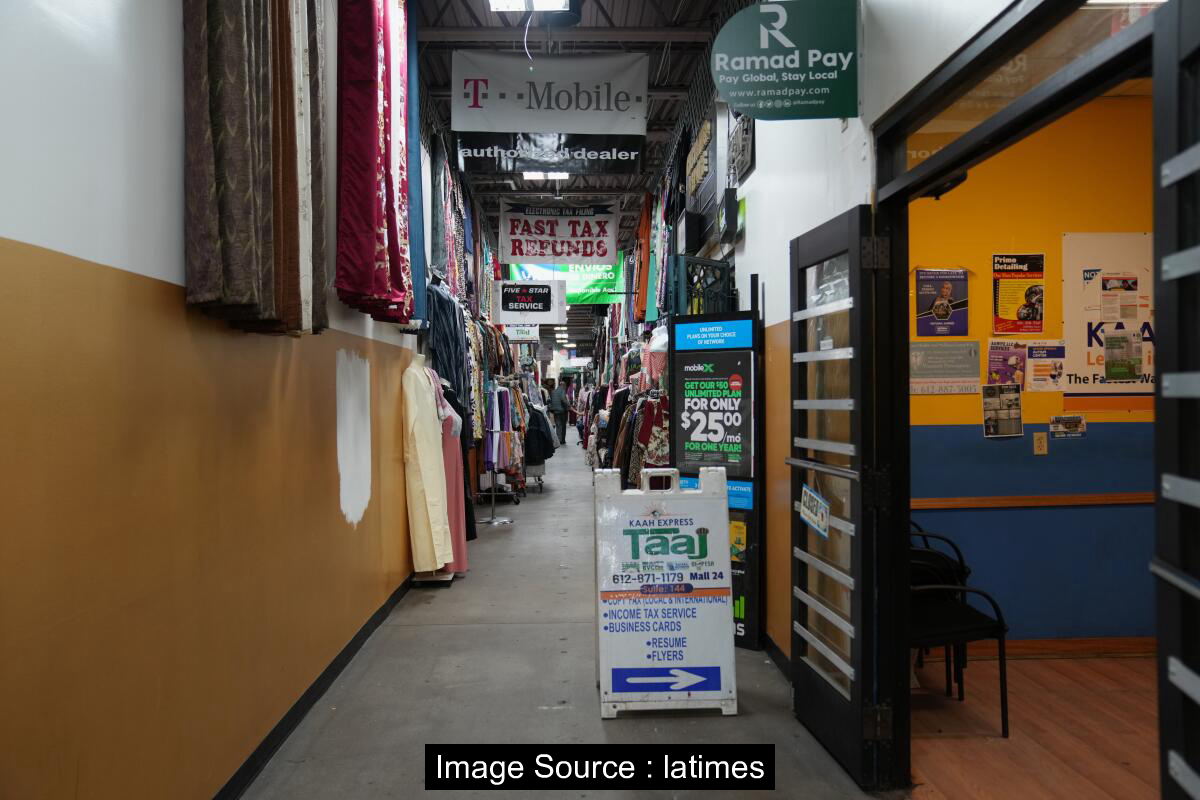
Somali Mall in Minneapolis Paralyzed by Immigration Crackdown
Rows of businesses stood shuttered inside Karmel Mall, a sprawling complex of Somali businesses in south Minneapolis. The once-bustling mall, home to over 100 small businesses, now lies eerily quiet, with sellers sitting alone in their clothing stores, waiting for the occasional customer to walk by. The fear of federal immigration agents has gripped the community, both citizens and non-citizens alike.
Karmel Mall is an economic hub for the area’s Somali population, the largest in the United States. It serves as a robust community center, offering housing, a mosque, and Quran classes. However, the economic impact of the Trump administration’s so-called Operation Metro Surge has been devastating, with business owners reporting losses of up to $20,000 per month as employees are too afraid to come to work and customers stay home.
Widespread Fear and Uncertainty
The fear extends beyond undocumented immigrants, with U.S. citizens also afraid to visit the mall, especially after the ICE officer killing of Renee Nicole Good and the ICE raid at Roosevelt High School in south Minneapolis. Homeland Security Assistant Secretary Tricia McLaughlin stated that a person’s immigration status, not their skin color, race, or ethnicity, is the basis for enforcement.
Upstairs, Bashir Garad, who runs Safari Travel & Accounting Services, has lost almost all his customers, and his clients are canceling upcoming trips due to concerns about not being allowed back into the country. The majority of his clients are East African and U.S. citizens, but they still hesitate to travel, fearing the government is not doing the right thing.
Devastating Economic Impacts
Ibrahim Dahiye, who sells electronics, said his business is down $20,000 monthly since the crackdown began, and he’s now pooling funds to make rent. He has lost most of his customers, and his employees are too scared to come to work. Dahiye keeps his passport on him at all times, unsure of what the future holds.
The economic impact of the immigration crackdown stretches beyond the Somali community, with many immigrants on edge and afraid to go to work or leave their homes. President Trump has made the Somali community a special target of his deportation rhetoric, insulting them and claiming they contribute nothing to the country.
Calls for Fairness and Justice
Garad expressed his frustration with the government’s actions, stating that if there are criminals, they should be found through lawful means, but to marginalize an entire community is unlawful. He believes the government is not doing the right thing, and that the fear and uncertainty in the community is unwarranted.
Despite the challenges, the Somali community remains resilient, relying on their faith in Allah and each other to navigate these difficult times. As the immigration crackdown continues to impact their livelihoods and community, they call for fairness, justice, and a more compassionate approach from the government.